
The Origin Story of A Tiny Home for Good
As we celebrate the ten year anniversary of our first two homes, we'd like to share a story each month that highlights what we've built, what we've learned, and how we've grown as an organization. This first installment explores the humble origins of A Tiny Home for Good, and how those founding principles and lessons still guide us today.
—
Before starting A Tiny Home for Good, Andrew Lunetta worked at a local men’s shelter for eight years. The shelter was inspiring. Often considered the last stop, the shelter welcomed men in any condition. He worked alongside compassionate, experienced coworkers that prioritized knowing the names and stories of the men who called the shelter home. As a shelter aid, he checked residents in, intervened if there were altercations, and inspired by the spirit of the shelter and his coworkers, simply listened. It was there that he met Barry.
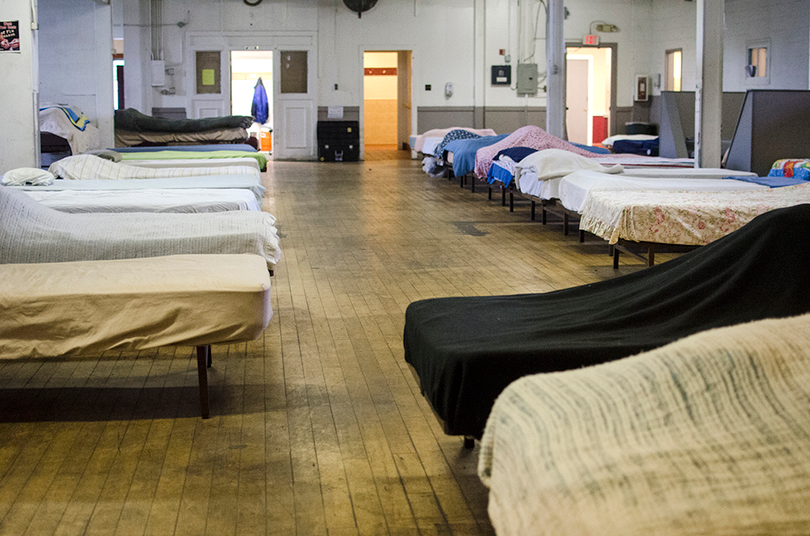
Barry was a prolific story teller, avid bike rider, and lover of music. He was a terrific hang, capable of filling hours with laughs, questions, and stories. Problem was, Barry was an alcoholic who not only struggled with that addiction, but suffered from persistent bipolar disorder. The result was frequent, long-term stays at the shelter. After one particularly long stay, the shelter staff found an apartment within Barry’s very limited price range. While it wasn’t Andrew’s job to provide transportation, due to their friendship, Barry asked if he’d give him a ride.
Jumping at the opportunity, they threw Barry’s few belongings into the bed of Andrew’s truck and took off for the apartment building. They pulled up to a crumbling three story building on the fringe of downtown Syracuse. On the first floor was a dark, dingy bar. Adjacent to the bar’s entrance was a worn metal security door that led to two floors of single room occupancy units–250 sq ft rooms with a small sink.
It was the smell that Barry and Andrew noticed upon opening the door. They hauled Barry’s two garbage bags of belongings up broken stairs, down a dark hallway, passed the shared bathroom, and finally to his room. All that was in the room was a mattress on the floor and a dresser with no drawers. Welcome home.
This was intended to be permanent; the place Barry was going to live now.
Andrew wasn’t surprised when Barry called him four hours later asking to get picked up.
Having seen “the next step” first hand, it was no wonder why so many people failed to move on from the shelter.
Disrupting the Cycle
After a few years of watching this cycle play out over and over, Andrew rented a big multi-bedroom home on the south side of the city. He invited a few of the men he had gotten to know at the shelter, including Barry, to move-in with him. The goal was to provide a supportive environment where men could focus on the work necessary to remain housed, forever.
Results were mixed. Some men excelled, using the home as a stable foundation as they navigated their way to permanent housing they actually wanted to live in. Others struggled. The home was a sober living environment, and for some of the men who cycled through the home, that was simply an impossibility without more professional support. Others could not handle the demands of living in community - sharing spaces and responsibilities. And finally, some simply needed a higher level of case management support than Andrew alone could afford them. After seven years of managing the home, Andrew knew it simply was not sustainable, but there were a lot of lessons learned.
It was this experience that informed the founding principles of A Tiny Home for Good which we still operate by today:
Housing-first and harm reduction - It is too difficult for most to transition from using every day to 100% sober living. A Tiny Home for Good tenants are not required to be sober or abstain from use as a condition of housing. Housing provided without condition focuses on providing stability for the individual. As a result, many tenants naturally tend to use less over time.
Privacy and non-shared spaces - Our tiny homes are meant for single occupants intentionally. The burdens of homelessness do not lend themselves to healthy roommate situations. A tiny home offers privacy, dignity, and safety for those we house.
Long-term support - The burdens of homelessness don’t disappear once someone is housed. A Tiny Home for Good provides personalized, permanent support and care to encourage the success and stability of those we house.
Housing, Community, and Care—it takes all three to end homelessness for good.
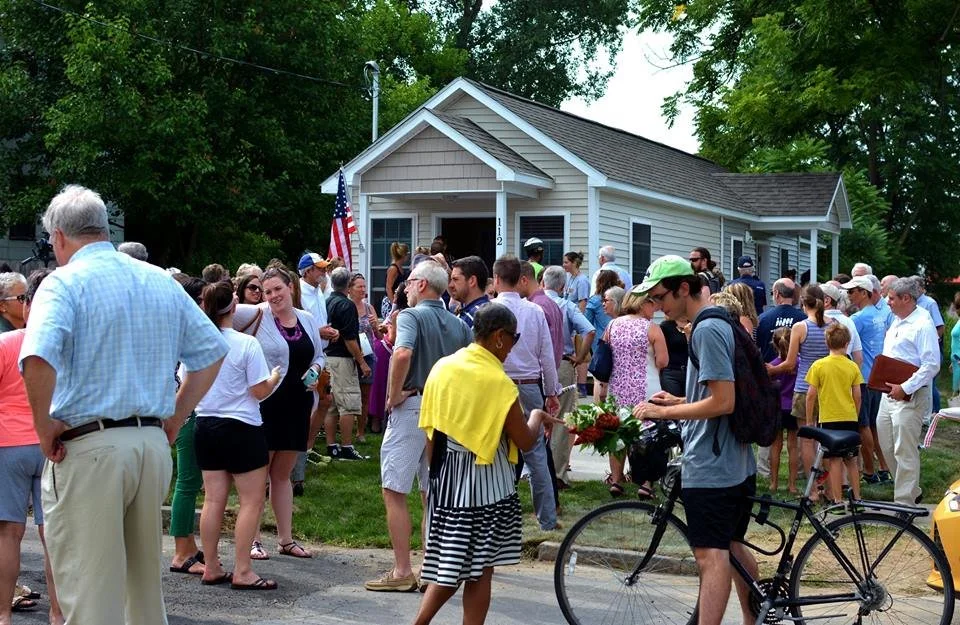
An outpouring of support for the ribbon cutting of our first homes on Rose Ave.